
Can Massage Chairs Help With Muscle Tightness From Long Walks?

February 27, 2026
Muscle tightness after long walks is a common issue faced by many individuals, especially those who engage in extended periods of walking either for exercise or daily activities. This discomfort often arises due to muscle fatigue, microtears, and the accumulation of metabolic waste products like lactic acid in the muscles. While traditional methods such as stretching, hydration, and rest are commonly recommended to alleviate this tightness, massage chairs have emerged as a modern solution that may offer significant relief.
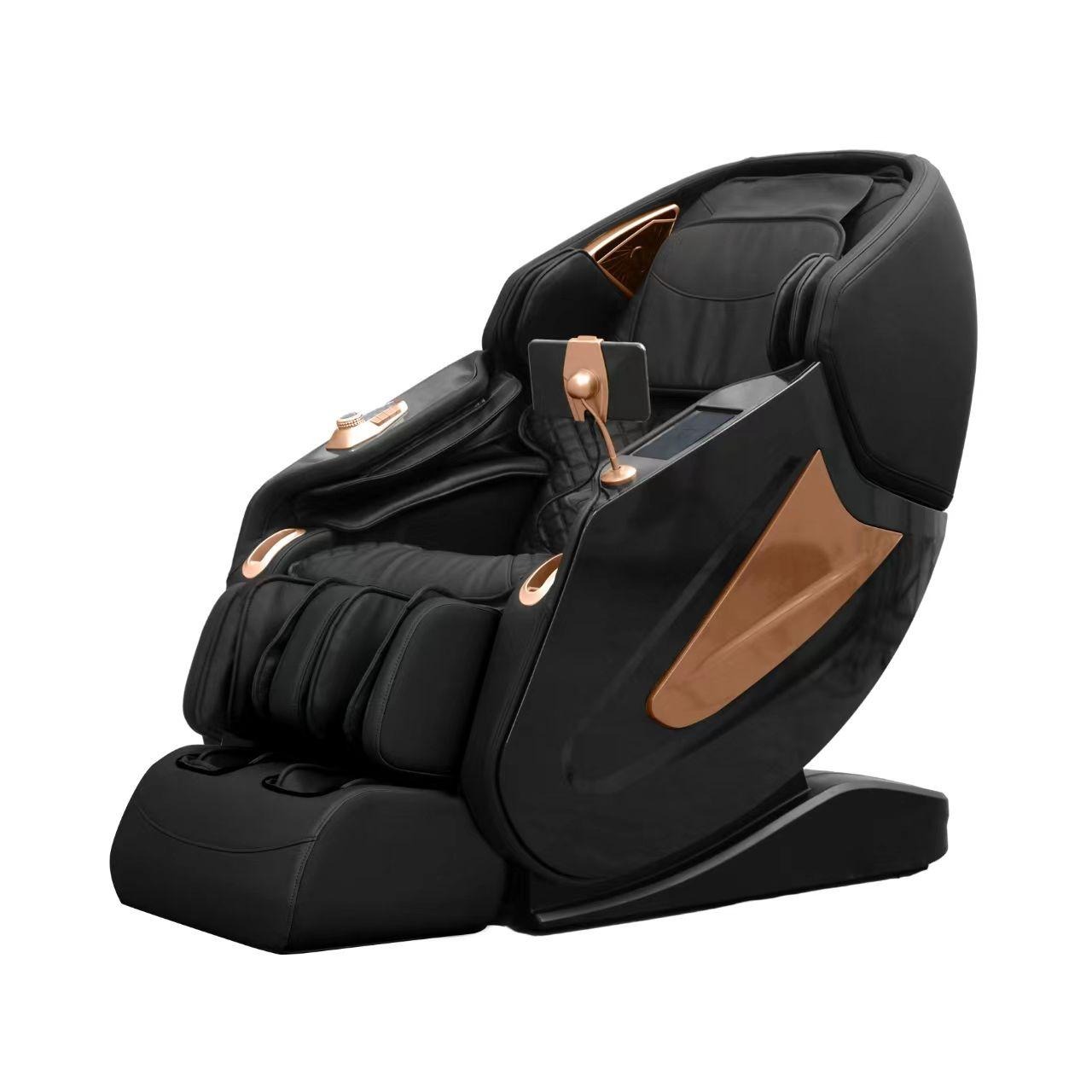
Massage chairs are designed to simulate various massage techniques like kneading, rolling, tapping, and shiatsu. These mechanisms target different muscle groups and apply pressure in ways similar to human hands. When used after long walks, these chairs can help increase blood circulation in the affected muscles. Improved circulation facilitates the delivery of oxygen and nutrients while aiding the removal of waste products from muscle tissues. This process can accelerate recovery and reduce feelings of stiffness.
Another important aspect is that massage chairs promote relaxation by activating the parasympathetic nervous system-the part responsible for rest and digestion-which helps decrease stress hormones such as cortisol. Lower cortisol levels contribute not only to emotional calm but also reduce inflammation within muscles. Consequently, users often experience less soreness following prolonged physical activity.
Additionally, massage chairs provide consistent pressure without causing additional strain or injury risk that might occur with manual massages if performed incorrectly. For people who walk regularly but do not have easy access to professional masseurs or physical therapists, owning a massage chair reviews offers convenience along with therapeutic benefits at any time they need it.
However, it’s important to note that while massage chairs can be highly effective for mild to moderate muscle tightness caused by walking or other low-impact activities, they should not replace medical treatment when dealing with severe injuries or chronic conditions such as tendonitis or muscular tears. Consulting healthcare professionals remains essential if pain persists beyond typical post-exercise soreness.
In conclusion, incorporating sessions on a quality massage chair into one’s routine after long walks can significantly ease muscle tightness by enhancing circulation and promoting relaxation. It offers an accessible way for many people to manage discomfort related to overuse without relying solely on medication or professional services every time soreness strikes. As technology continues advancing in this field-with features like heat therapy and customizable programs-massage chairs will likely become even more valuable tools for maintaining muscular health among walkers and fitness enthusiasts alike.